Communication is Key
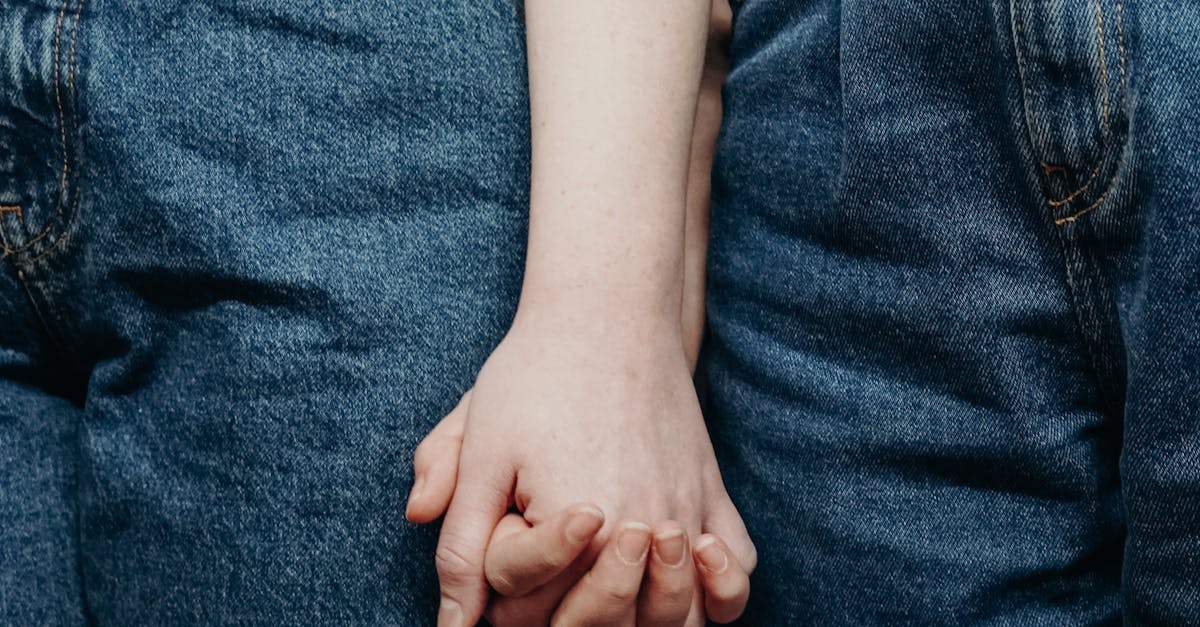
Open communication between partners is essential when engaging in Couples Massage. Both individuals should express their expectations, preferences, and any boundaries they might have. This dialogue ensures that both participants feel comfortable and understood. It establishes a safe environment where concerns can be discussed openly, enhancing the overall experience of the massage.
Setting aside time for a conversation about comfort levels and specific areas to focus on can significantly improve the massage experience. Understanding each other’s needs helps in achieving a more relaxing and enjoyable session. Addressing any apprehensions beforehand can reduce anxiety and contribute to a deeper connection during the massage. This approach fosters intimacy and trust, making the Couples Massage more meaningful.
Discussing Comfort and Preferences
Open and honest communication plays a vital role when couples engage in massages. Discussing each person's comfort levels and preferences creates an environment where both partners feel at ease. Before starting a session, it's important for therapists to ask about any areas that require special attention or avoidance. This conversation not only helps in tailoring the massage but also strengthens the bond between partners, ensuring a more enjoyable experience.
Establishing boundaries is just as crucial in a couples massage. Each partner should feel empowered to express discomfort or ask for adjustments at any time. This will prevent misunderstandings and promote a more relaxed atmosphere. Encouraging feedback during the massage enhances the experience for both individuals, making it more likely that they will look forward to future sessions together.
Potential Risks of Partner Massaging
Partner massaging can bring intimacy and relaxation, but it also presents certain risks. Without proper knowledge of anatomy and massage techniques, there is a higher likelihood of causing discomfort or injury. Common issues include muscle strain, pinched nerves, or exacerbating existing injuries. It's essential to be aware of each other's physical limitations and avoid sensitive areas to prevent any adverse effects during a couples massage.
Another concern arises from the emotional dynamic between partners. The close relationship can create added pressure to deliver a satisfying experience, leading to frustration if expectations are not met. Miscommunication about comfort levels or preferences may result in feelings of discomfort or insecurity. Establishing clear boundaries and being open to feedback is crucial for ensuring a positive experience while navigating the potential risks of partner massaging.
Avoiding Injuries and Discomfort
When engaging in a couples massage, it is crucial to maintain awareness of each other's comfort levels. Both partners should express any discomfort or pain during the massage. Strong communication can help in adjusting pressure and techniques to create a better experience. Prioritize listening to the body signals to avoid any potential injuries. If one partner feels overwhelmed or experiences sharp pain, pausing and reassessing the situation is essential.
Additionally, understanding proper techniques can help mitigate risks associated with home massages. Couples should consider learning basic massage skills that focus on areas most prone to tension, like the neck, shoulders, and lower back. Utilizing resources such as tutorials or workshops can enhance their confidence and proficiency. Incorporating knowledge from professional sources contributes to a safer and more enjoyable couples massage experience.
Training and Skills for Better Massages
Acquiring the right training and skills can significantly enhance the quality of a couples massage. Even if one partner has formal training, it’s crucial for both to understand the fundamentals of effective techniques. This includes learning about pressure points, body mechanics, and the importance of communication throughout the process. Many resources are available, such as workshops designed specifically for couples, instructional videos, and books that provide step-by-step guides on providing a satisfying massage experience.
Beyond just technique, being aware of the different types of strokes and their effects can make a notable difference. Gentle kneading, long gliding strokes, and targeted pressure on tense areas all contribute to a more enjoyable experience. Couples massage can be an intimate practice that nurtures both relaxation and connection, fostering an environment where both partners can learn from each other. Engaging in this shared experience can not only improve massage skills but also strengthen the relationship dynamics.
Learning from Professional Resources
Couples massage can be a rewarding experience when both partners approach it with the right knowledge and skills. Many professionals offer workshops specifically designed for couples. These sessions typically focus on key techniques that enhance relaxation and intimacy. Learning from trained therapists allows partners to understand body mechanics and the proper application of pressure, making the massage experience beneficial for both.
In addition to in-person workshops, numerous online resources can guide couples in improving their massage techniques. Videos and tutorials offer step-by-step instructions, providing insights into the best practices for creating a soothing atmosphere. Exploring these resources equips couples with the tools needed to enhance their massages while minimizing the risk of discomfort or injury. Investing time in education can greatly elevate the overall experience of couples massage.
FAQS
Can a massage therapist legally massage their partner?
Yes, a massage therapist can legally massage their partner as long as they adhere to ethical guidelines and maintain professional boundaries.
What should a massage therapist discuss with their partner before giving a massage?
Communication is key; the therapist should discuss comfort levels, preferences, any areas of tension, and any medical conditions that could affect the massage.
Are there any risks associated with a massage therapist massaging their partner?
Yes, potential risks include causing discomfort, injuries if proper techniques aren't used, and the challenge of crossing professional boundaries in a personal setting.
How can a massage therapist avoid injuries while massaging their partner?
To avoid injuries, the therapist should use proper body mechanics, ensure the massage is within their skill level, and listen to their partner’s feedback throughout the session.
What resources can a massage therapist use to improve their skills when massaging their partner?
Massage therapists can learn from professional resources such as workshops, online courses, and instructional books or videos to enhance their techniques and ensure a better experience.