Communicating with Your Massage Therapist
Effective communication is essential when it comes to establishing a comfortable atmosphere with your massage therapist. Expressing any specific preferences or concerns before the session can enhance your experience. Whether it’s discussing pressure levels or special areas of focus, clear communication helps the therapist tailor the treatment to your needs. This openness is particularly important in settings like a couples massage, where both partners might have unique preferences that require attention.
Understanding the boundaries of physical touch is also important in fostering a professional yet friendly relationship. Therapists are trained to provide comfort through their techniques, but the addition of personal touch, such as hugs, can complicate the dynamics. For couples massage, this requires an additional layer of communication to ensure both participants feel comfortable with any physical expressions beyond the scope of the treatment. Discussing these aspects openly can set the tone for a positive therapeutic experience.
Setting Expectations Before Your Session
Setting clear expectations before your massage session is vital for both you and your therapist. Discussing your preferences can create a comfortable environment, whether you are seeking a deep tissue massage or a gentle relaxation experience. If you opt for a Couples Massage, communicating openly about how you and your partner prefer to be treated can enhance the experience for both parties. This approach helps the therapist tailor the session to meet individual needs, ensuring a positive atmosphere.
Many people may have different perceptions of physical touch based on personal experiences and cultural backgrounds. Sharing your thoughts on physical contact can help the therapist better understand your comfort levels. In a Couples Massage, this conversation becomes even more important, as it allows each partner to express concerns or desires. By setting a clear framework for the treatment, you can maximize the benefits of the therapy session and foster a deeper sense of connection.
Cultural Perspectives on Physical Touch
Physical touch is a fundamental aspect of human interaction, varying widely across different cultures. Some societies embrace touch as a normal part of communication, incorporating gestures like hugs and handshakes into daily life. In contrast, other cultures may perceive physical contact as intrusive or inappropriate, particularly in professional settings. For instance, in the context of Couples Massage, such interactions can be seen as a shared experience that strengthens the bond between partners, as they engage in relaxation and intimacy in a controlled environment.
Understanding these cultural nuances is essential for both clients and therapists. A massage therapist must navigate personal boundaries while being sensitive to clients' cultural backgrounds. In Couples Massage, the dynamics become even more complex, as therapists must consider the comfort levels of each partner. This awareness can foster an environment where both individuals feel safe and respected, making the therapeutic experience more beneficial and enjoyable.
How Different Backgrounds Influence Interactions
Cultural backgrounds significantly shape individuals' perceptions of touch and intimacy. For some, physical contact is a normal expression of warmth and care, often seen in close family relationships. In contrast, others may have reservations about touch, interpreting it as a violation of personal space. These varying perspectives can affect how clients interact with their massage therapists. Couples massage, which often involves shared moments of connection, can amplify cultural differences, as partners might have dissimilar comfort levels with physical touch.
The role of cultural influences often emerges in discussions about the appropriate boundaries within therapy sessions. A background steeped in traditions that celebrate touch might encourage clients to be more open and relaxed during their appointments. Alternatively, clients from cultures that emphasize distance may be more hesitant to engage in physical contact, including hugging. Understanding these dynamics can help therapists establish an atmosphere that respects each client’s comfort level while fostering a therapeutic relationship.
The Impact of Hugging on Therapy Sessions
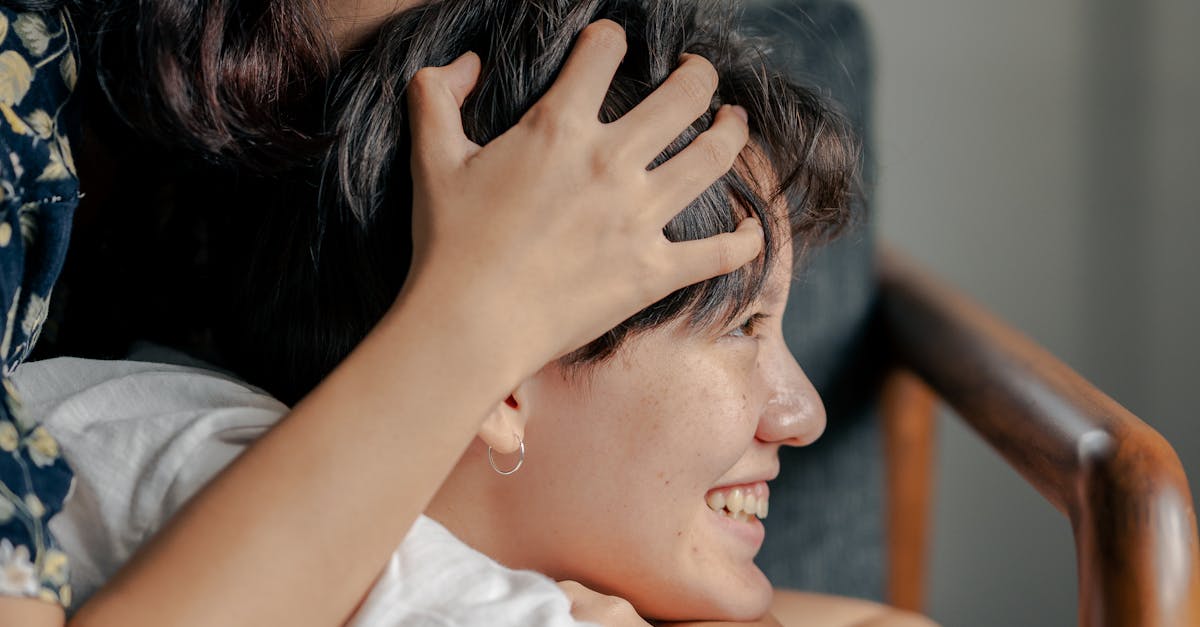
Hugging in the context of therapy sessions can evoke a range of emotional responses. In settings like a couples massage, where intimacy and connection are often emphasized, a hug can enhance trust and foster a deeper emotional connection between partners. It may serve as a form of non-verbal communication that reinforces feelings of safety and support. However, therapists need to establish clear boundaries to ensure that participants are comfortable with physical touch, as reactions can vary widely among individuals.
The potential emotional benefits of hugging during therapy sessions can be significant, but there are risks to consider as well. Some clients may find unexpected emotional release or discomfort from physical closeness, affecting their overall experience. In couples massage settings, this dynamic can be particularly nuanced, as one partner’s desire for connection may not align with the other's comfort level. Therapists should thoughtfully navigate these interactions, prioritizing consent and clear communication to create a positive environment for all involved.
Exploring Emotional Benefits and Risks
Hugging a massage therapist, especially in the context of a couples massage, can evoke a mix of emotional responses. For some individuals, a hug may enhance feelings of safety and relaxation, deepening the therapeutic experience. This physical connection can foster intimacy and trust between partners, making the massage more beneficial as they share a moment of vulnerability together.
However, there are also potential risks involved in incorporating hugging into a session. Therapists must maintain professional boundaries to ensure that clients feel comfortable and safe. While some clients might welcome the gesture, others might find it intrusive or confusing. It's vital for both therapists and clients to clearly communicate their comfort levels and preferences to maintain a positive and supportive environment.
FAQS
Is it appropriate to hug my massage therapist after a session?
While it may feel natural to express gratitude with a hug, it's essential to consider the therapist's comfort and professional boundaries. Always ask for permission first.
What should I do if I want to hug my massage therapist but I'm unsure of their reaction?
It's best to communicate your feelings openly. You can ask them directly if they are comfortable with a hug as a gesture of appreciation.
Are there cultural differences that affect hugging in a massage therapy setting?
Yes, cultural perspectives on physical touch vary widely. In some cultures, hugging is a common expression of warmth and gratitude, while in others, it may be viewed as too personal. Understanding your therapist's background can help guide your actions.
Can hugging enhance the therapeutic experience?
Hugging can potentially provide emotional benefits by promoting feelings of safety and connection. However, it’s crucial that both the therapist and client are comfortable with this form of touch to avoid any boundary issues.
What if my massage therapist declines a hug?
If your therapist declines a hug, it’s important to respect their decision. They may have personal or professional reasons for their boundaries, and maintaining respect is essential for a healthy therapeutic relationship.